

Whether you’re decades into your career in B2B sales or ramping into your first BDR role, you’re probably wondering: Will this ever get any easier?
You aren’t alone, and you aren’t overreacting.
“The oversaturation of outreach to potential buyers has turned them off from responding at all,” one respondent told us in a recent survey.
“There’s a growing perception that salespeople are no longer needed,” another said.
No matter how you slice the data, the difficulty sellers feel translates to fewer sales over a longer period of time. A joint Pavilion and Ebsta 2025 Seller Benchmark report found 78% of sellers missed quota in 2025, and win rates dropped 10% over 2024. And that activity is spread over more time—in 2023, Ebsta found sales cycle length had increased 38% in just two years.
And yes, that’s all in the midst of rapidly-accelerating AI adoption and innovation driving changes to workflows, technology, and sales enablement. The problem isn’t resources or even effort. It’s that sellers now operate in a fundamentally different buying environment, and for most of them, the way they sell hasn’t caught up.
More Information, Less Clarity
Anyone who’s jumped on a call with a new prospect in the last six months has felt the shift. Buyers are smarter, their expectations are higher, and the margin for error almost doesn’t exist.
For one, today’s buyers can access more information than ever. They’re using AI and research tools—12 to 14 sources, on average—to surface vendor lists, core differentiators, pricing, and social proof, Gartner found. Three-quarters of them would prefer a rep-free buying experience, and most say they especially reject irrelevant outreach. In starker numbers, buyers complete as much as two-thirds of the buying journey before even talking to sales, according to Forrester.
And yet, their experience isn’t getting easier, either. Gartner found 77% of B2B buyers say their last purchase was very complex or difficult. Buying groups now include 6-10 stakeholders, with more like 15-17 involved in enterprise deals, according to Gartner. Here’s how one seller put it when asked about difficulties in our recent survey.
“So much noise in the funnel, everyone is using the same tech stack = only way to stand out is to connect value prop to business outcomes. Buyers engage with us after they
have already researched multiple vendors and our reps are getting surprised at renewal, and with longer sales cycles because every customer now has AI reviews and technology legal/procurement teams.”
The challenge lies in helping buyers navigate a process that’s getting harder by the year. When sellers try to beat the competition with information dumps, they only increase “noise in the funnel” and annoy their prospects.
Sellers Haven’t Changed Their Approach
Buying may have evolved, but selling largely hasn’t. Most sellers still follow a familiar pattern: they lead with discovery questions buyers already answered, position solutions early in the sales process, and respond to requests instead of challenging them.
Even worse, many checklist-focused sales processes emphasize this kind of selling, even though the current environment punishes it. Putting aside what buyers themselves have told us about their expectations and preferences, success rates show how little this approach yields. Generic outreach gets 1–5% response rates, Gradient found, and cold calling success rates sit around 2.3%.
Sellers think they’re solving the buying equation by overexplaining the product. But they’re pushing the wrong information, at the wrong time, to the wrong people.
Why The Wrong Approach Makes Sales Feel Harder
Imagine spending hours refining specific selling skills, only to learn that your buyer already decided to go with a near-identical competitor. The average seller would meet this highly informed buyer, perhaps offer a discount, and, if they’re lucky, win a deal from a weakened position.
Richardson Enterprise Sales Executive Geoff Hendricks sees this pattern rise to the surface when sales leaders describe their sellers’ go-to process.
“Some of them share a little bit of information, but then as soon as they get somebody on the line, they ‘Evil Knievel’ over the chasm and just talk about their own products,” Geoff says.
But high-performing sellers understand that winning isn’t about what you sell, but how you sell it.
“The best sellers actually spend time breaking down the issues that they’re facing today,” Geoff goes on, “so that we discover there’s a need for change.”
If you’re delivering a tailored insight that leads exclusively back to your product, you can’t be beaten by an identical competitor. High-performing sellers also understand that their job is to guide prospects through the sales process, steering them past roadblocks and stalled deals, while garnering clout as a trusted advisor to the business.
Fixing Buying by Fixing Selling
Organizations are right to interpret a drop in sales as a seller problem. The reality is that top-down changes to messaging and targeting won’t solve the problems plaguing B2B buying. To do that, you have to start with the buyer experience.
For one, winning today is about more than pitching a product. The best sellers don’t pitch at all. Instead, they rely on commercial teaching to reveal an unknown problem only they can solve. In short, they help the buyer understand something new.
“The challenge often isn’t getting prospects to buy. It’s getting them to prioritize the purchase decision,” Charryse Bigger, Senior Account Director for Strategic Accounts at Richardson, explains.
They use tools like the Cost of Inaction (COI) to help buyers move from “maybe next quarter” to “when can we implement?” Sellers don’t want more product specs and pricing information; they’re drowning in it. Most organizations produce more information, not better insights. The winning seller knows how to rifle through that information and provide clarity, confidence, and alignment.
This set of behaviors—outlined in the original Challenger research—sets Challengers apart from their reactionary counterparts.
Teach: Challengers understand their customer’s business so deeply and can communicate so effectively that they come to sales conversations with a unique perspective their customer hasn’t even considered. They teach for differentiation, offering insights that disrupt a client’s status quo.
Tailor: Using their understanding of what’s driving the customer, they tailor their message for resonance. Challengers know how to deliver the right message to the right person at the right time.
Take Control: Finally, Challengers make themselves comfortable with discomfort. They can discuss money, press their customers on commitments, and use customer verifiers to control the sale and ensure a better buyer experience.
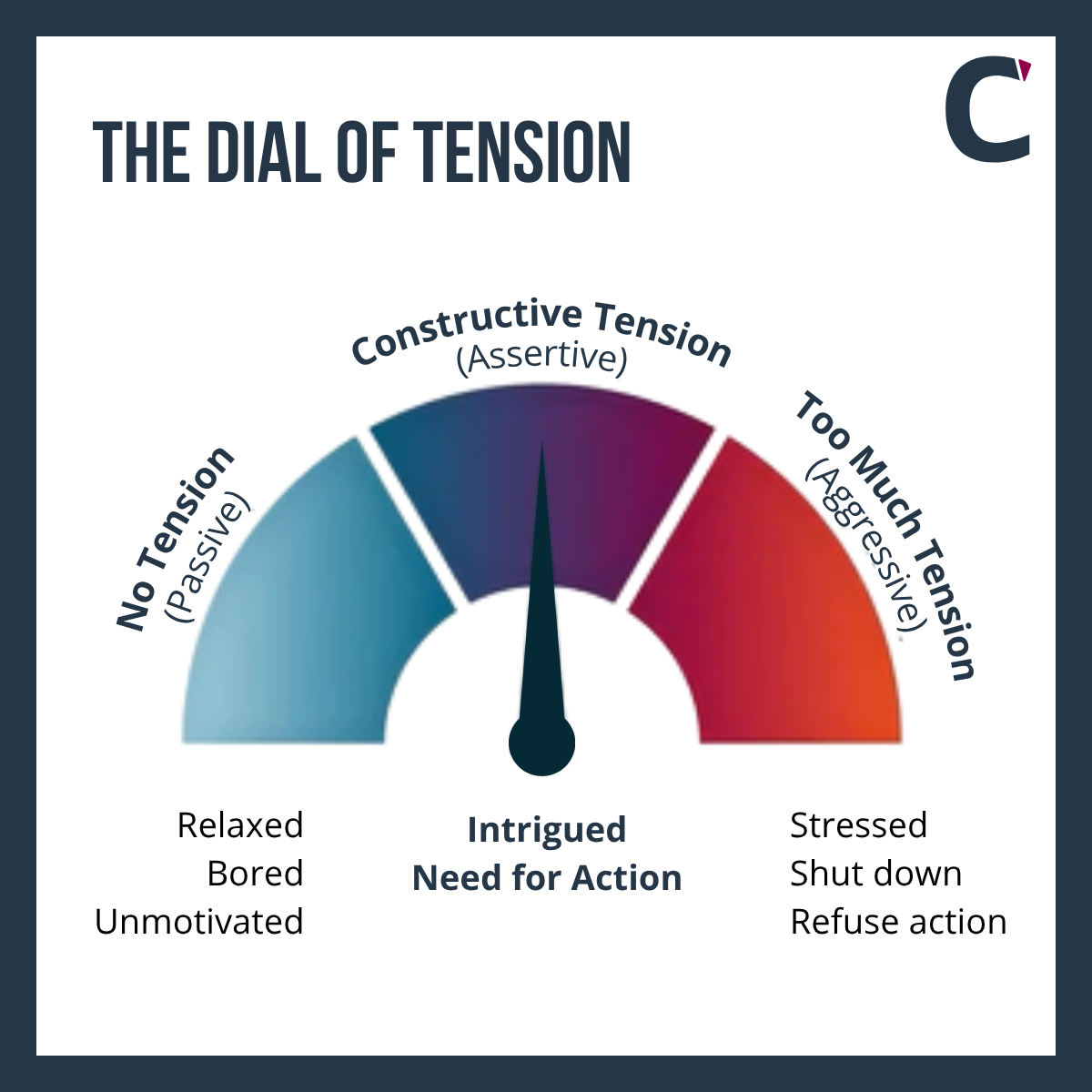
Wield Constructive Tension: Challengers build constructive tension while teaching, tailoring, and taking control. They push their customers to think differently — even if they don’t immediately see eye-to-eye.
How to Make B2B Sales Easier
Sales isn’t harder because buyers are more difficult or because sellers lack the right information. It’s harder because sellers emphasize the wrong skills while misunderstanding what buyers need.
What does it take to win deals right now? The answer is simple, and hard: Be the single rep who shows up with insights, answers, and a confident path forward.
That means diagnosing problems buyers haven’t fully defined, helping stakeholders align internally, and guiding—not reacting to—the buying process.
Today’s B2B buyer enters a sales process overwhelmed, faces a complex decision-making process they likely don’t fully understand, and find traditional selling to be a waste of their time. The sellers who win in this environment will prioritize commercial teaching, provide tailored insights worthy of the buyer’s time, and take control of the sale in a way that guides buyers away from the status quo. Now more than ever, these sellers—Challengers—stand poised to win with a fundamentally better sales experience.

More from our blog
How to Build Industry-Specific Insight Narratives for Sales Teams
A successful Challenger selling motion hinges on a well-crafted Commercial Insight. It helps sellers dispute existing assumptions and create urgency…

How to Sell to Buyers Who Have Already Done Their Research
The current crop of B2B buyers is something we’ve never seen before: an AI-empowered, outreach-averse group of highly-informed consumers. Gartner…

Is Challenger Selling Too Aggressive for Relationship-Driven Buyers?
Whether you’re considering a Challenger rollout for the first time or hoping to bring it to your organization, you’ve likely encountered a common…
What are you waiting for?
Transform your sales team.
The best companies grow, and grow fast, by challenging customers, not by serving them.