

How Challengers Approach Behavior Change
We tend to roll out sales training with the energy and enthusiasm of the first day of school. This year (methodology) will be different. We’ll really buckle down in our struggle subjects (skill gaps). By midterms (Q2) we’ll make the difference clear!
And then, the enthusiasm runs out. This is where so many organizations lose momentum—and it isn’t because their sellers don’t want to change. They simply don’t have the right support structure.
Behavior change is not an impossible target. But it also isn’t guaranteed with every new program rollout. Getting there requires the right mix of repetition, manager reinforcement, feedback loops, and personalization. That’s how you go from Challenger keynote to a team of successful, confident Challenger sellers.
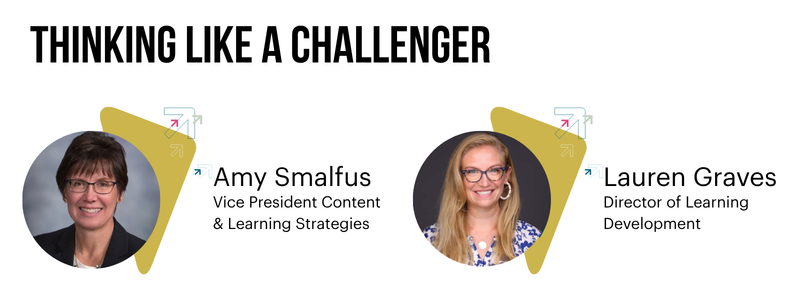
“Coaching plays an outsized role in learning reinforcement, and here, the best managers and leaders take a different approach. Challenger research found that fewer than half of sales managers tailor their feedback to each direct report; just 17% of coaches help sellers apply new skills or knowledge to their work.
That’s why training and reinforcement are so crucial. Too often, due to heavy workloads or lack of a unified approach, managers fail to target coaching to the right behaviors, employing it inconsistently across the team and grounding it in subjective data and analysis.
It matters how coaches frame their feedback, too. “Because I said so” or “you’re doing it wrong” has rarely been a rallying cri de coeur. But “you’ll win more if you do this” almost never loses. Sellers are more likely to change when they can clearly connect new behaviors to outcomes that matter to them. Development tied to real outcomes makes the change they’re learning relevant, practical, and worth the effort.”
📃 Featured Content

eBook: Orchestrating Sustained Behavior Change at Scale
Despite significant investment in sales tech, training, and enablement, many organizations still struggle to sustain behavior change and achieve consistent performance outcomes. Organizations must take a more orchestrated approach guiding behavior change through coordinated learning, coaching, and reinforcement embedded in the flow of work, turning insight into action. Learn more in this in-depth eBook.
💡 Challenger Moment of the Month
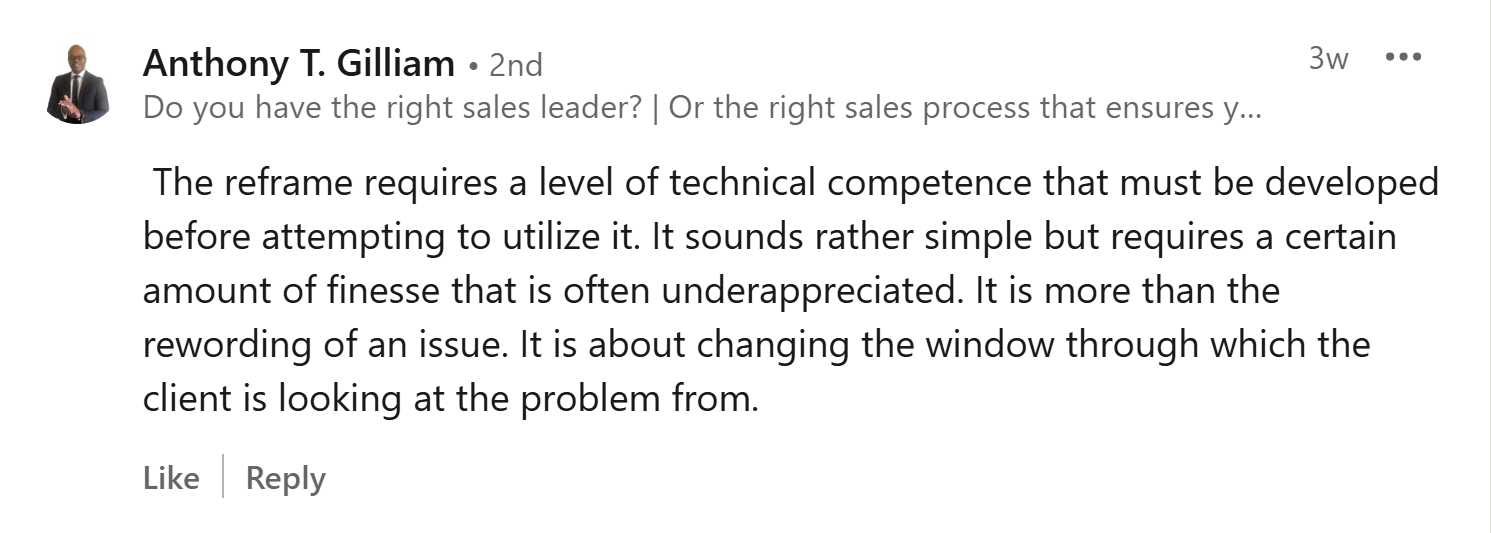
We couldn’t agree more. The process of reframing the customer’s thinking doesn’t stand alone, but is part of the complete Commercial Insight Choreography.
📹 Webinars

Why Behavior Change Fails and What to Do About It
Sales organizations have never invested more in training, tools, and enablement—yet consistent behavior change remains elusive. Without a system that connects learning, application, reinforcement, and sustainment, sellers revert to old habits and performance gains fade. Join Richardson experts Amy Smalfus and Lauren Graves as they examine why behavior change fails and provide a clear roadmap to success.
📢 On the Ground

Gartner CSO and Sales Leader Conference
Join Richardson CEO John Elsey for his session “The Math Behind Customer Pain: Turn Vague Problems Into Numbers Buyers Act On,” on May 20th at 11:15 AM in Augustus room 1. He’ll unpack the simple equation that transforms sales conversations into decision math and reveals the hidden economics that drive faster, more confident customer decisions. Also, stop by Booth 403 to play Richardson Roulette and for the chance to win prizes from Apple, Ray-Ban, Meta, and David Yurman!

More from our blog
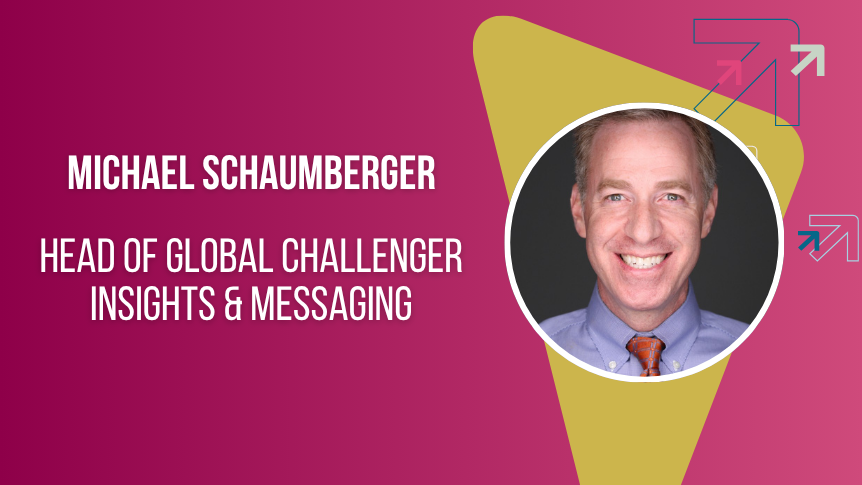
How to Build Industry-Specific Insight Narratives for Sales Teams
A successful Challenger selling motion hinges on a well-crafted Commercial Insight. It helps sellers dispute existing assumptions and create urgency…

How to Sell to Buyers Who Have Already Done Their Research
The current crop of B2B buyers is something we’ve never seen before: an AI-empowered, outreach-averse group of highly-informed consumers. Gartner…

Is Challenger Selling Too Aggressive for Relationship-Driven Buyers?
Whether you’re considering a Challenger rollout for the first time or hoping to bring it to your organization, you’ve likely encountered a common…
What are you waiting for?
Transform your sales team.
The best companies grow, and grow fast, by challenging customers, not by serving them.